Protect Your Crown
At Crowning the Culture, advocacy is at the heart of our mission to empower and protect the Black community through education and action on hair rights. We work to dismantle stigma, fight discriminatory policies, and raise awareness about the cultural significance of Black hair.
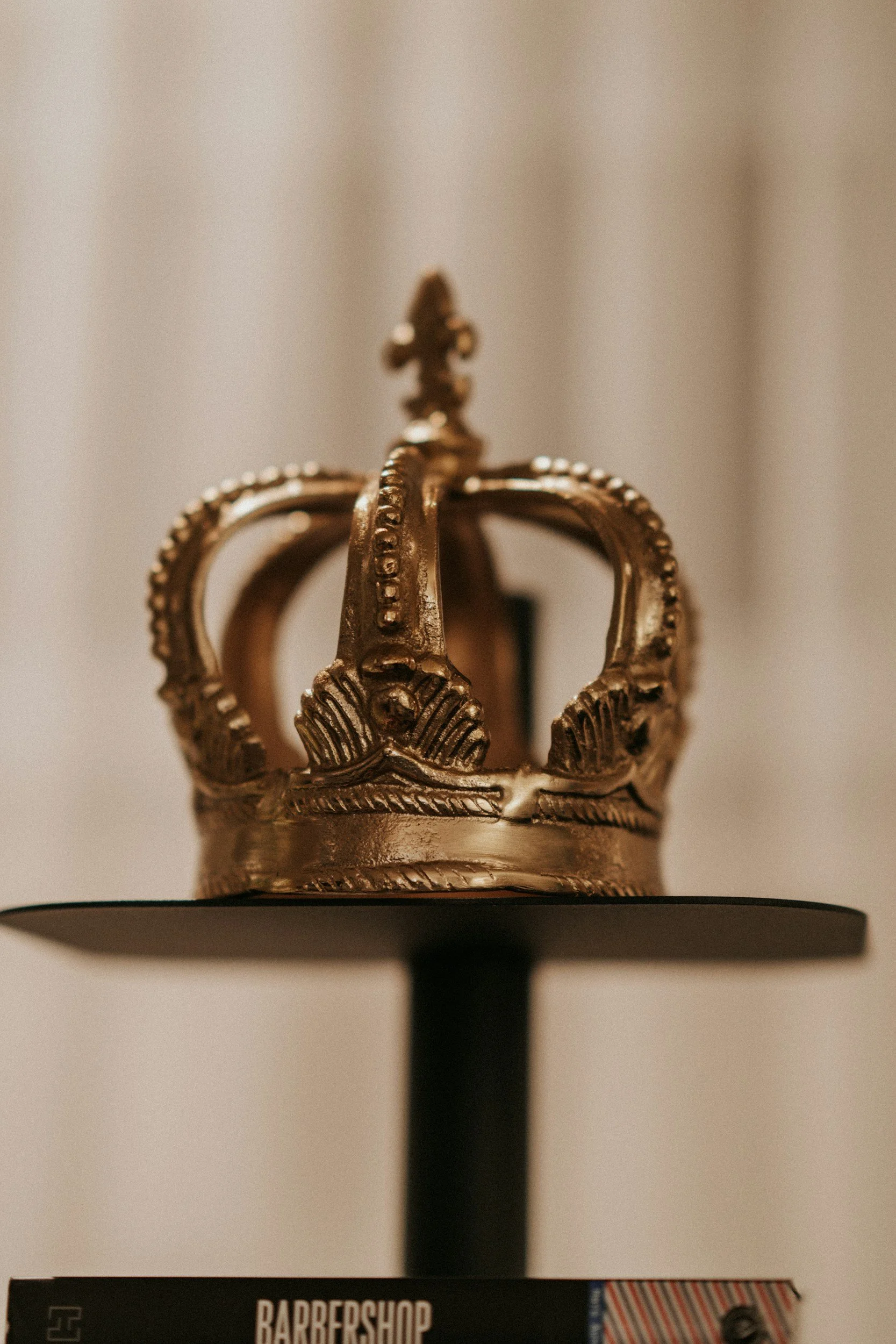
The CROWN Act (Creating a Respectful and Open World for Natural Hair)
The CROWN Act is civil rights legislation designed to prohibit discrimination against individuals based on hair texture and protective hairstyles associated with race — including afros, braids, twists, locs, and Bantu knots. It was first created by the CROWN Coalition in 2019 to ensure that policies in workplaces and schools could no longer use hair as a proxy for race or enforce Eurocentric standards of professionalism or appearance.
Today, federal versions of the CROWN Act have passed the U.S. House of Representatives, and similar laws have been enacted in 25 states, reinforcing that hair‑based discrimination is a form of racial discrimination.
Why the CROWN Act Matters
It clarifies that natural hair and culturally specific hairstyles are protected characteristics, expanding traditional civil rights protections to include race‑based hair discrimination.
Legal protection is essential because many schools and workplaces historically enforced dress codes that explicitly or implicitly targeted Black hair, resulting in suspension, exclusion, or employment penalties.
Hair discrimination doesn’t just affect appearance — it impacts educational access, career opportunities, and psychological well‑being.
Know Your Rights, Own Your Story
·
Join the Movement for Hair Equity
·
Your Crown, Your Power
·
Know Your Rights, Own Your Story · Join the Movement for Hair Equity · Your Crown, Your Power ·
Hair Discrimination: Shocking Facts & Data
Understanding the scope of hair discrimination around the U.S. helps highlight why advocacy matters:
-
Did You Know?
86% of Black teens who experience discrimination report experiencing hair‑based discrimination by age 12.
-
Did You Know?
Around 20% of Black women ages 25–34 have been sent home from work because of their hair.
-
Did You Know?
66% of Black women change their hair for a job interview, and 41% of those will alter their natural hair — often straightening it — in pursuit of employment success.
Real Life Stories
Know Your Rights — Hair Discrimination Protection Explained
What Hair Discrimination Looks Like
Hair discrimination occurs when policies or practices:
Penalize students or employees for wearing natural hair textures or protective styles (e.g., locs, twists, braids).
Require individuals to alter their hair (through cutting, straightening, or hiding styles) to comply with grooming standards.
Send individuals home, deny participation, reduce opportunities, or otherwise punish them based on hair appearance.
Legal Protections
In states where the CROWN Act is law, you cannot be legally punished, excluded, or disciplined because of your hair texture or cultural hairstyle in schools or workplaces.
The CROWN Act extends existing anti‑discrimination law by explicitly including hair texture and hairstyle as part of race protections, filling a gap left by earlier civil rights statutes that did not address phenotypic traits.
What You Can Do
Document the incident: Note dates, people involved, written policies, and how the discriminatory action occurred.
Talk to HR or school administration: Many issues can be resolved internally once you cite your rights.
Reference the law: If your state has a CROWN Act or similar protections, mention that the policy must comply with those provisions.
Reach out to advocacy groups: Organizations like the NAACP Legal Defense Fund can offer guidance on next steps.
File complaints if needed: You can file with local human rights commissions, state labor boards, or education equity offices depending on the context.